
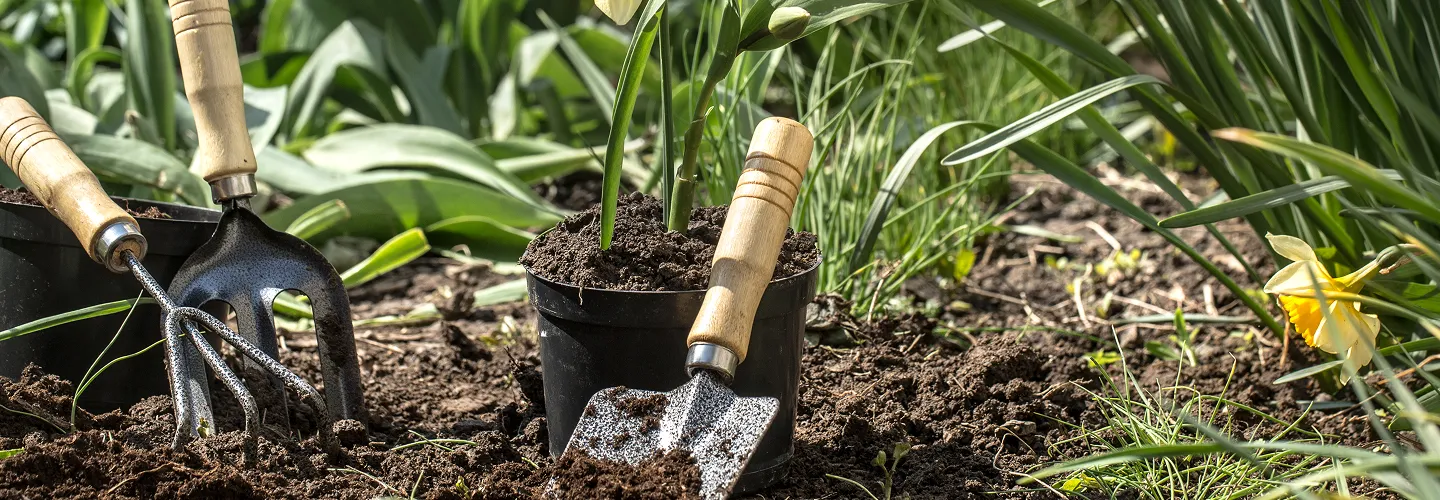
Hollywood Park Plant Removal Services
Choose our plant removal services for prompt, professional results that protect your property and the environment. Our experienced team ensures safe removal, responsible disposal, and a hassle-free experience from start to finish.
Get a Free QuoteOur Hollywood Park Landscaping & Yard Care Services
When to Schedule Plant Removal in Hollywood Park, Texas – Seasonal Guide
In Hollywood Park, Texas, timing your plant removal is crucial for maintaining a healthy and attractive landscape. The region’s humid subtropical climate, with hot summers and mild winters, means that late winter through early spring is often the best window for most plant removal projects. This period, just after the last frost date and before new growth begins, allows for easier root extraction and minimizes stress on surrounding vegetation. Neighborhoods near Voigt Park and along Mecca Drive often experience dense shade and clay-heavy soils, which can impact both the ease and timing of removal.
Local environmental factors such as drought risk during late summer, high humidity, and the prevalence of mature oak and cedar trees in areas like Sequoia Drive all play a role in determining the optimal schedule. It’s also important to consider municipal guidelines and seasonal precipitation patterns, which can affect accessibility and soil stability. For more information on local regulations and best practices, visit the official town resource.
Local Factors to Consider for Plant Removal in Hollywood Park
- Tree density and canopy coverage, especially in established neighborhoods
- Soil type (clay, loam, or sandy soils) and drainage conditions
- Seasonal precipitation and risk of soil saturation
- Frost dates and temperature fluctuations
- Municipal restrictions or permit requirements
- Terrain slope and accessibility for equipment
- Drought risk and water conservation guidelines
Benefits of Plant Removal in Hollywood Park
Expert Landscaping Services
Efficient Plant Removal
Eco-Friendly Disposal Methods
Improved Curb Appeal
Customized Solutions
Licensed and Insured Team
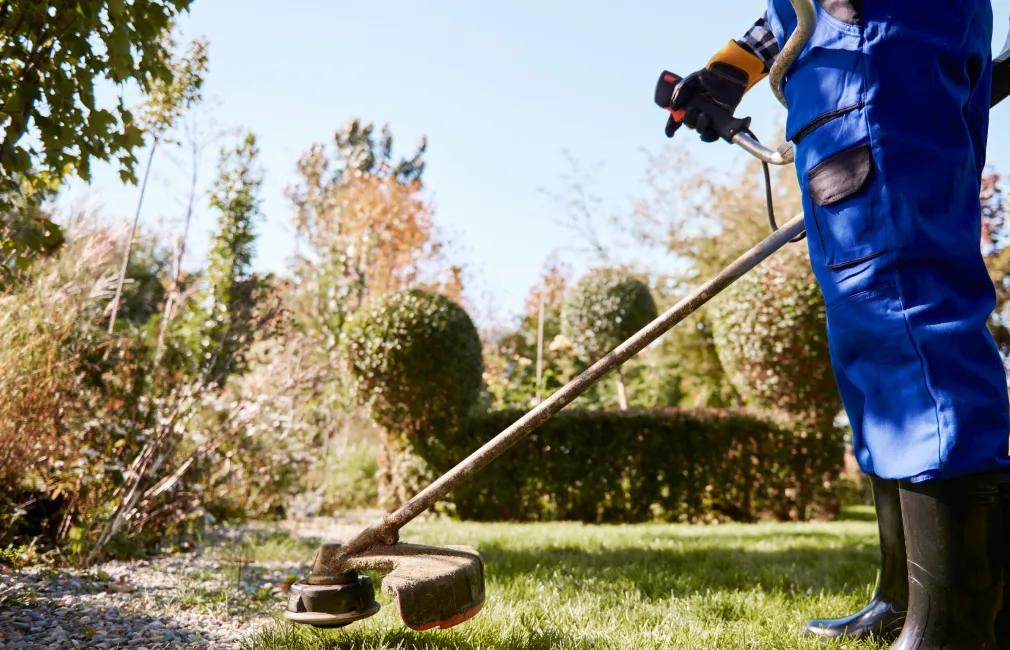
Hollywood Park Plant Removal Types

Tree Removal
-
Shrub Removal
-
Stump Grinding
-
Invasive Species Removal
-
Root System Extraction
-
Hedge Clearing
-
Overgrown Vegetation Removal
Our Plant Removal Process
Site Evaluation
Preparation and Safety Measures
Plant Extraction
Debris Removal
Site Restoration
Why Choose Hollywood Park Landscape Services
-
Hollywood Park Homeowners Trust Us
-
Expert Lawn Maintenance
-
Reliable Scheduling
-
Competitive Pricing
-
Professional Team
-
Satisfaction Guarantee
-
Personalized Service
Plant Removal Permitting and Ordinance Compliance in Hollywood Park
Plant removal activities in Hollywood Park are governed by municipal ordinances designed to protect public safety, preserve native vegetation, and maintain community standards. Permits are required for the removal of trees with a diameter at breast height (DBH) of 6 inches or greater, as well as for any plant removal within 50 feet of designated wetlands or drainage channels. Application fees typically range from $50 to $75, with a review period of 7-10 business days. Equipment operation is restricted to the following hours:
- Monday-Friday: 7:00 AM - 7:00 PM
- Saturday: 8:00 AM - 6:00 PM
- Sunday and holidays: Prohibited
All plant debris must be disposed of according to city guidelines, which prohibit burning and require use of biodegradable bags or 32-gallon containers for curbside collection. Coordination with the Department of Public Works is essential for large-scale removals or projects near public rights-of-way.
San Antonio Public Works Department
114 W. Commerce Street, San Antonio, TX 78205
Phone: (210) 207-8022
Official Website: San Antonio Public Works Department
Soil Series and Site Conditions Affecting Plant Removal in Hollywood Park
Hollywood Park’s predominant soils, as identified by the USDA Web Soil Survey, include Houston Black clay and Branyon clay loam. These Vertisols are characterized by high clay content, pH levels ranging from 7.5 to 8.2, and poor drainage, especially after heavy rainfall. Removal of deep-rooted plants in these soils often requires mechanical extraction to a depth of 18-24 inches to prevent regrowth. Soil compaction is common in developed areas, necessitating post-removal aeration or amendment with 2-3 inches of compost tilled to a 6-inch depth. For properties near Salado Creek or low-lying areas, maintain a 25-foot buffer from water bodies to comply with local and federal regulations. Soil testing is recommended prior to replanting, with services available through Texas A&M AgriLife Extension.
Environmental Compliance and Stormwater Protection for Hollywood Park Plant Removal
Plant removal in Hollywood Park must adhere to both local and state environmental regulations, including the Texas Water Code and the Clean Water Act. The city operates under an MS4 (Municipal Separate Storm Sewer System) permit, which prohibits the disposal of plant debris, soil, or chemicals into storm drains. Key compliance steps include:
- Maintain a 25-foot no-disturbance buffer from wetlands and streams
- Prohibit fertilizer or pesticide application within 50 feet of water bodies
- Use erosion control measures (silt fences, straw wattles) on slopes or near drainageways
Violations may result in fines or remediation orders. For guidance on environmental compliance, consult the city’s environmental management office.
San Antonio Environmental Management
1400 S. Flores Street, San Antonio, TX 78204
Phone: (210) 207-1447
Official Website: San Antonio Environmental Management
Texas Commission on Environmental Quality
12100 Park 35 Circle, Austin, TX 78753
Phone: (512) 239-1000
Official Website: Texas Commission on Environmental Quality
Seasonal Timing and Weather Considerations for Plant Removal in Hollywood Park
Hollywood Park is located in USDA Hardiness Zone 8b, with average annual minimum temperatures of 15-20°F. The optimal window for plant removal is from late October through early March, when most woody species are dormant and soil moisture is moderate. Avoid removal during June-August, when high temperatures (often exceeding 95°F) and drought stress can increase soil compaction and erosion risk. Monitor local weather forecasts through the National Weather Service San Antonio Office to avoid scheduling work during heavy rain events, which can lead to site instability and runoff. For invasive species, removal is most effective before seed set, typically by mid-May. Schedule debris collection for Thursdays, April through November, using city-approved containers.
Safety Protocols and Equipment Standards for Plant Removal in Hollywood Park
All plant removal operations in Hollywood Park must comply with municipal safety standards and equipment regulations. Operators are required to use:
- Eye protection: ANSI Z87.1 safety glasses
- Hearing protection: Earmuffs or plugs for equipment exceeding 85 dB
- Footwear: Steel-toed boots with non-slip soles
- Gloves: Cut-resistant for pruning, chemical-resistant for herbicide application
Maintain a minimum 15-foot clearance from overhead power lines and use only commercial-grade equipment with functional mufflers. Equipment must be inspected every 25 operating hours, and all personnel working within 50 feet of public roads must wear high-visibility vests. For work near public parks or school zones, additional restrictions may apply. The city’s Parks and Recreation Department provides guidance on safe practices for removals adjacent to public lands.
San Antonio Parks and Recreation
5800 Enrique M. Barrera Pkwy, San Antonio, TX 78227
Phone: (210) 207-7275
Official Website: San Antonio Parks and Recreation
What Neighborhoods Do We Serve Throughout Hollywood Park, TX?
- The Enclave at Hollywood Park: Features mature oak stands and heavy clay soils, requiring careful root extraction and compliance with tree protection ordinances.
- The Gardens of Hollywood Park: Characterized by smaller lots and ornamental landscaping, with frequent HOA oversight and strict debris containment requirements.
- Hollywood Park Estates: Contains larger properties with mixed woodland and open lawn, often adjacent to drainage channels and requiring buffer zone observance.
- North Hollywood Park: Noted for sloped terrain and proximity to Salado Creek, necessitating erosion control and stormwater compliance during removal.
- West Oaks: Includes older developments with compacted soils and limited equipment access, making manual removal and soil amendment common.
- East Hollywood Park: Borders public parkland, where removals must coordinate with city parks staff and observe additional setback requirements.
- Hidden Forest: Features dense tree cover and variable soil moisture, with seasonal access limitations and heightened wildlife habitat considerations.